What to Expect During an Engine Diagnostic With a Diesel Engine Mechanic at a Repair Shop in Tucson, AZ
A diesel engine diagnostic does not have to feel like a mystery. Understanding the process helps you make better decisions, ask the right questions, and get back on the road faster. Whether you are an owner-operator running I-10 or a fleet manager moving freight through the Tucson corridor, working with a skilled diesel engine mechanic in Tucson can mean the difference between a quick fix and a costly breakdown.
What Happens During a Diesel Engine Diagnostic?
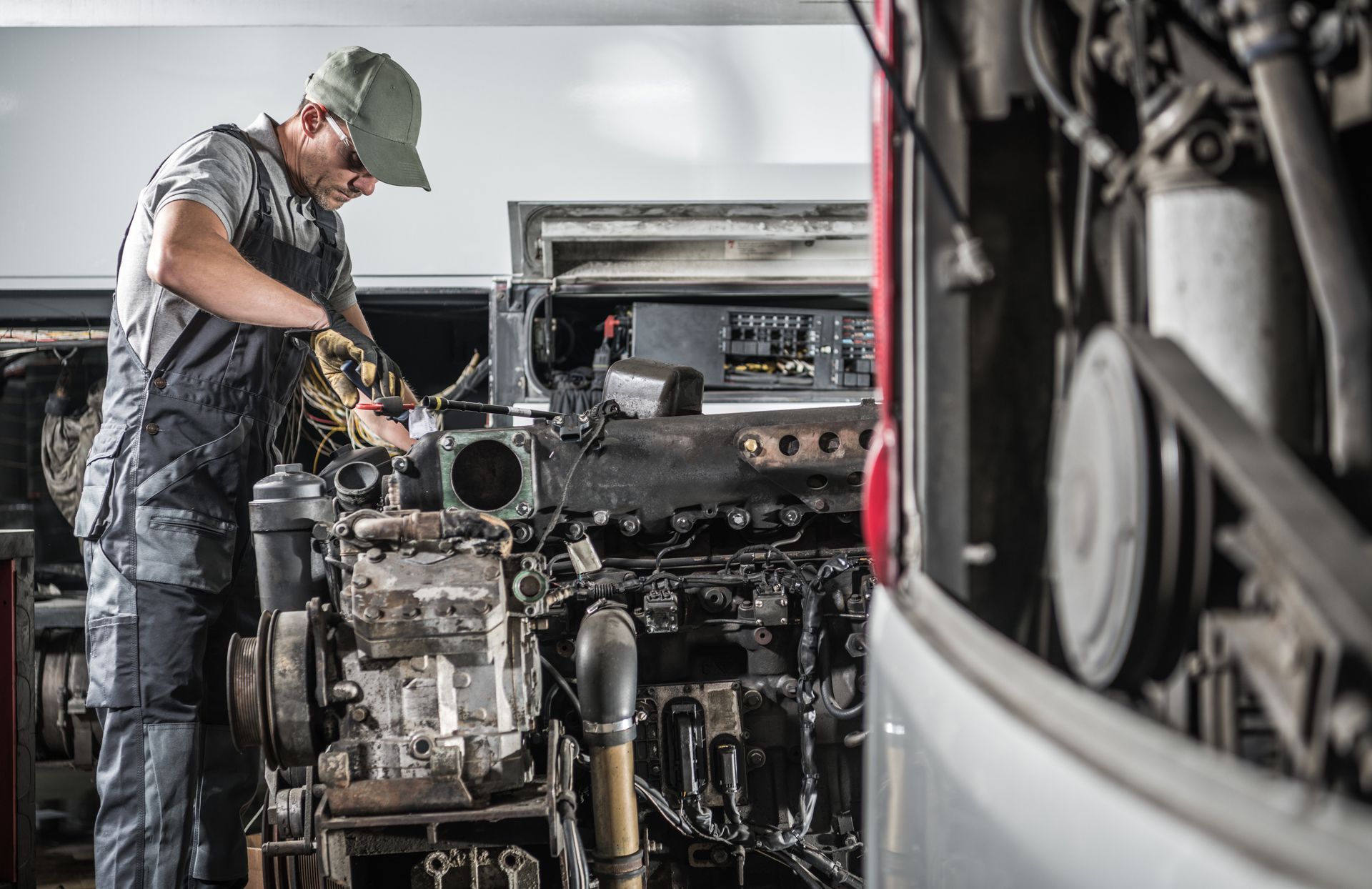
A diesel engine diagnostic is a structured process that moves from observation to testing to a clear repair plan. It is a series of checks that a diesel engine mechanic works through in a specific order to avoid guessing and wasted time:
Step 1. The Symptom Review
The diagnostic begins before a single tool is picked up. A technician will ask about what you noticed: loss of power, black smoke, rough idle, warning lights, or a no-start condition. These details narrow down where to look first. Drivers coming off heavy I-10 hauls often report different symptoms than trucks running shorter urban routes around Midvale Park or Drexel Heights. The symptom review guides every step that follows.
Step 2. The Computerized Scan Tool Readout
Modern diesel engines store fault codes that record when something went wrong and which system triggered the alert. A technician connects a professional-grade scan tool to the truck's diagnostic port and pulls every stored and active code. This step can reveal emissions faults, EGR issues, DPF and DEF system alerts, and sensor failures that would not be visible during a physical inspection alone.
Trucks running the I-10 corridor between Tucson and the New Mexico border tend to accumulate fault codes tied to extended highway operation. High exhaust temperatures, variable turbo boost demands, and the arid desert climate place unique stress on aftertreatment systems. A scan tool readout surfaces those patterns quickly.
Step 3. Physical Inspection of the Fuel System and Turbo
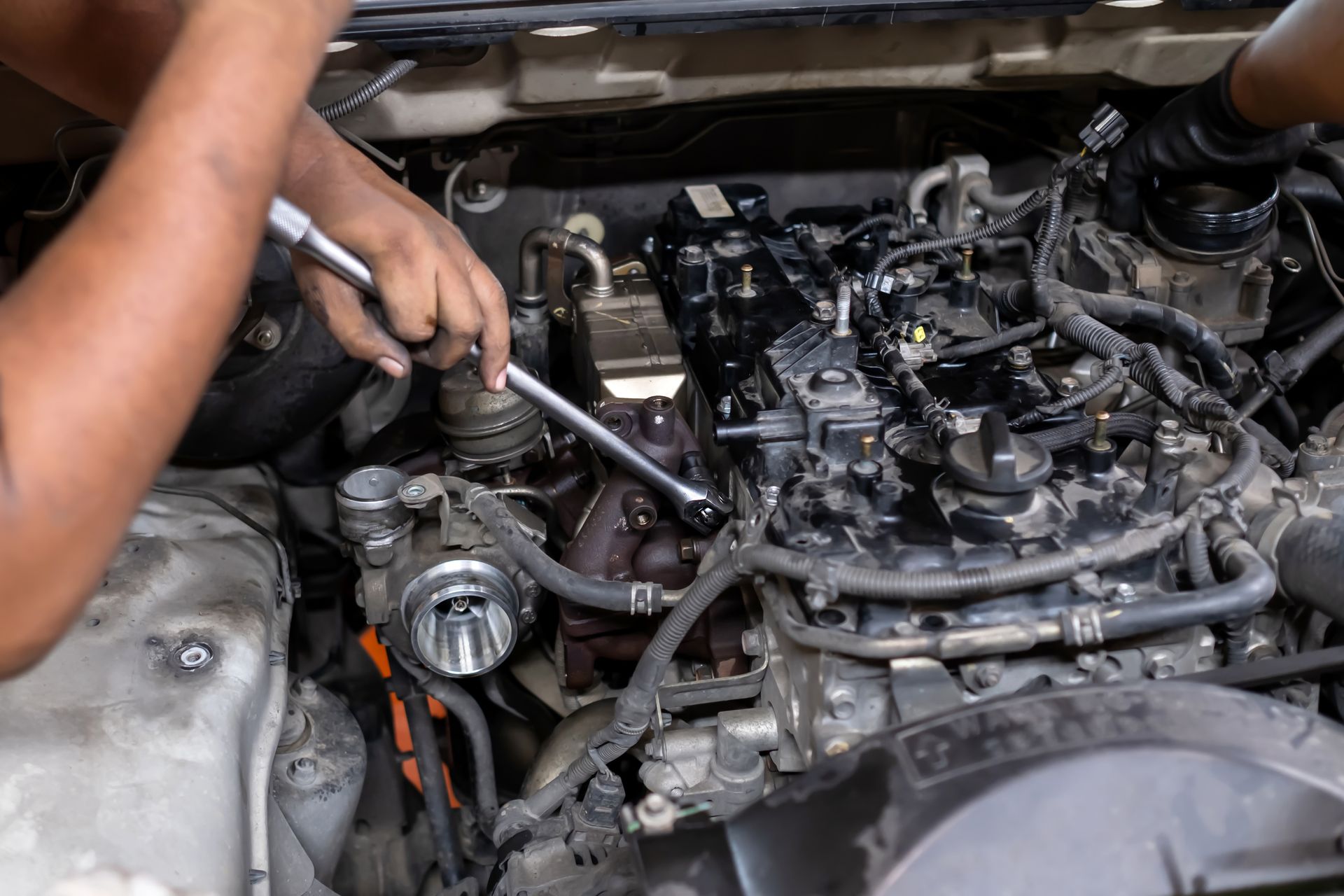
The scan results guide where the hands-on inspection begins. A technician checks fuel pressure, looks for leaks, evaluates injector performance, and inspects filter condition. Tucson's dry, dusty environment near South Tucson and the industrial zones along I-19 can accelerate filter clogging and contribute to fuel contamination. These are real-world conditions that show up in diagnostic findings regularly.
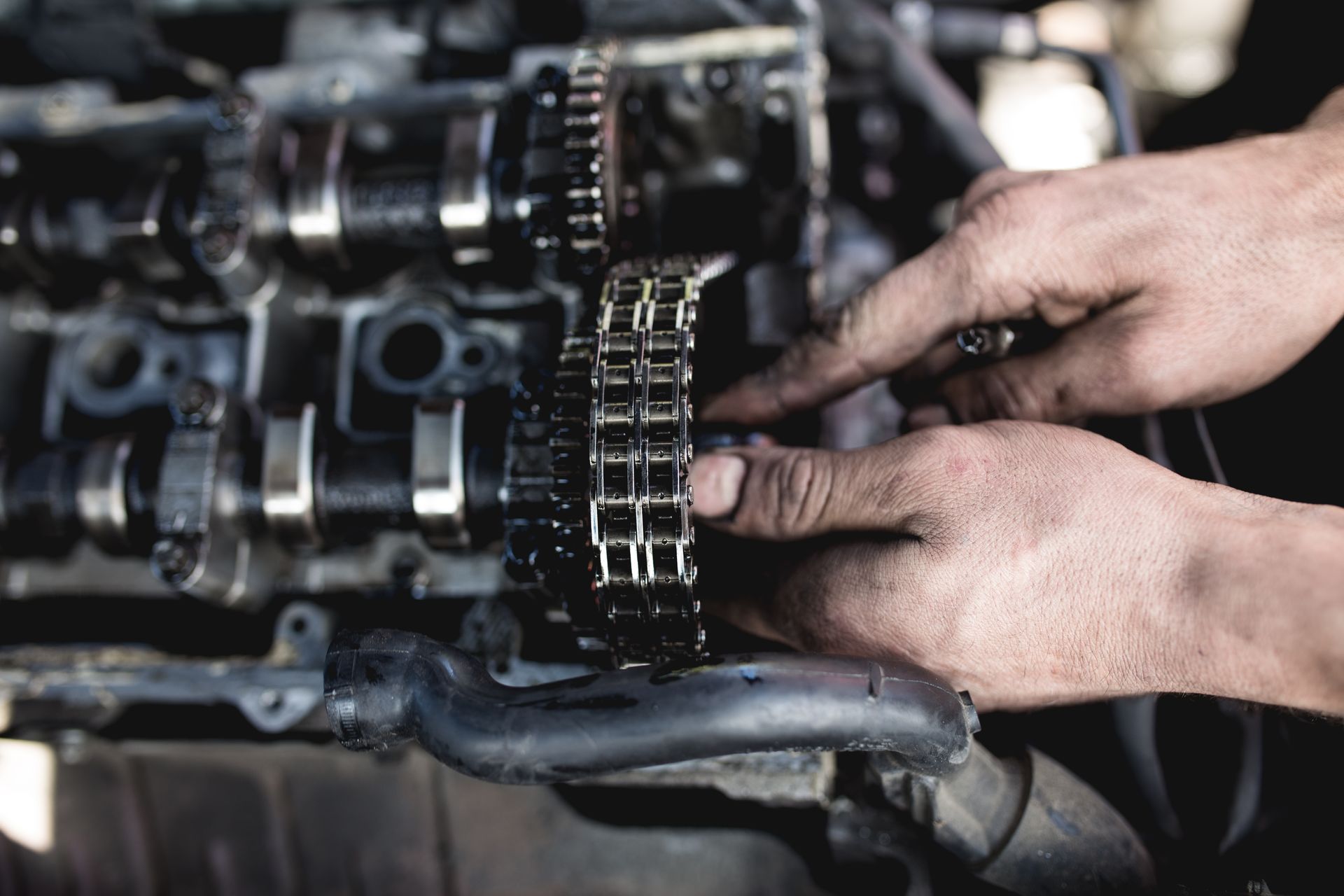
The turbocharger inspection follows. A tech checks for shaft play, oil leaks around the housing, and compressor wheel damage. Turbos on trucks running long grades or heavy loads out of Tucson often show wear patterns that a visual check can catch early. A thorough physical inspection gives a diesel engine mechanic the full picture that scan codes alone cannot provide.
Step 4. The Mechanic's Findings Report
After the scan and physical checks are complete, the technician puts together a findings report outlining every fault code identified, every system inspected, and the condition of key components. The report should also separate confirmed failures from items to monitor, because not every fault code means a component needs immediate replacement. A skilled
diesel engine repair technician will explain the difference and help you prioritize repairs based on safety, urgency, and your schedule.
Why Does a Diesel Shop Approach Diagnostics Differently?
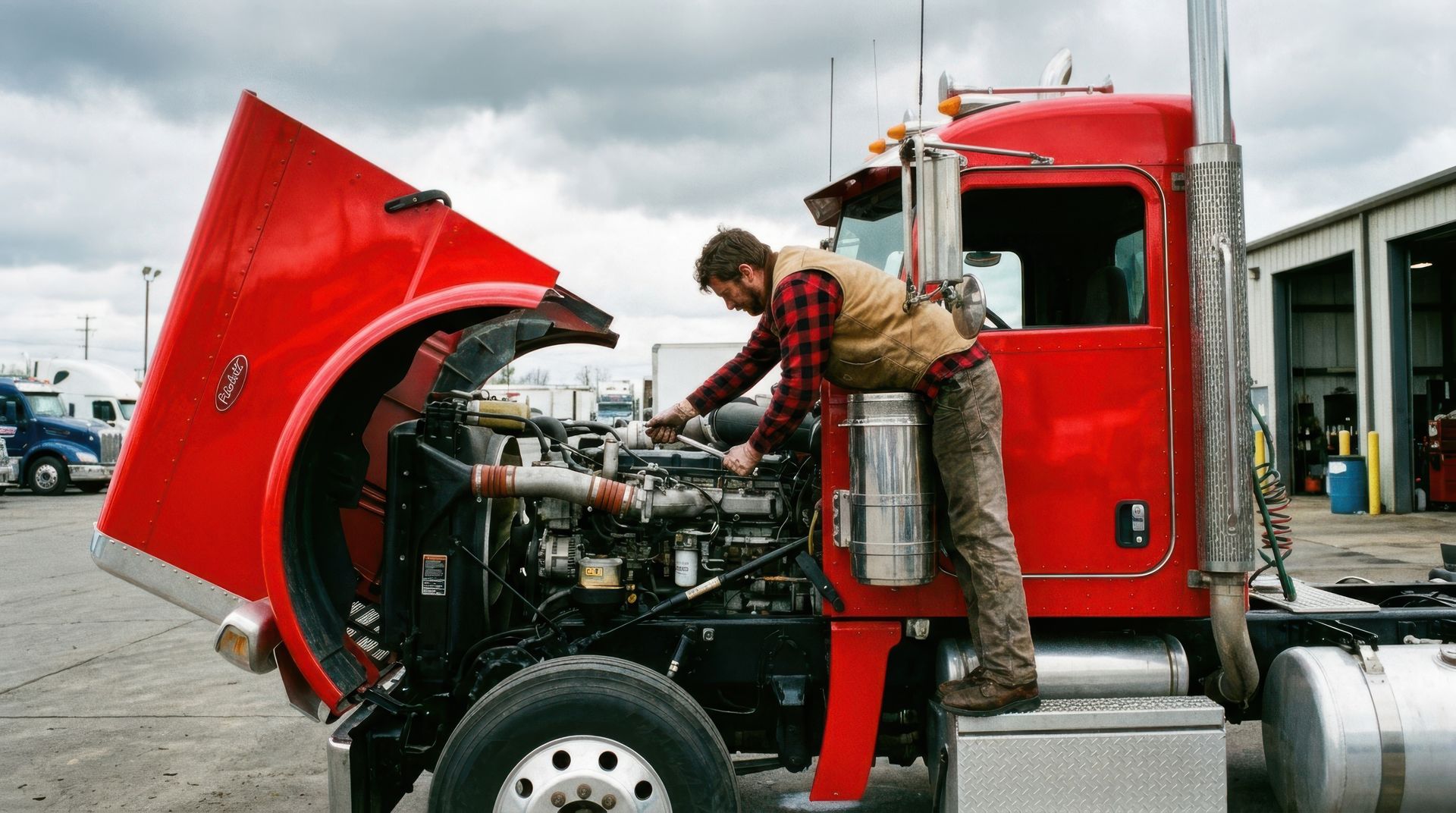
Local conditions shape what a diesel engine mechanic looks for during an inspection. Tucson sits at roughly 2,400 feet of elevation, and trucks climbing toward higher terrain on routes to Nogales or beyond face added strain on turbo and cooling systems. Summer heat in the Sonoran Desert routinely exceeds 100°F, directly affecting coolant efficiency, fuel vaporization, and EGR valve function.
Trucks staging at freight yards near Tucson International Airport or running cross-border loads through Pima County cycle through stop-and-go operation followed by sustained highway speeds. That duty cycle can trigger DPF regeneration failures and NOx sensor issues that a diesel engine mechanic familiar with this region checks for proactively.
Step 5. The Repair Recommendation
The diagnostic ends with a written repair recommendation outlining what needs immediate attention, what can wait, and what falls under preventive maintenance. A trustworthy shop will not recommend repairs the diagnostic findings do not support. You should receive a breakdown of each item, why it matters, and what happens if it is deferred.
Contact the shop before your visit if you want to describe your symptoms ahead of time. It can help the technician prepare and may shorten your diagnostic time.
How Long Does a Diesel Engine Diagnostic Take?
A standard diagnostic may take anywhere from one to several hours depending on the complexity of fault codes and how many systems require physical inspection. Simple electrical faults may resolve quickly. Fuel system or turbo issues often require more time. Asking for an estimated timeframe when you schedule is always a good idea.
Get the Most Out of Your Diagnostic Appointment
Arriving prepared makes the process faster and more accurate. Before you bring your truck in, note the following: when the symptom first appeared, whether the issue happens under load or at idle, any recent repairs or part replacements, the truck's maintenance history including DPF service, and whether the problem has worsened over time. Sharing this with the technician at the start of the visit leads to more accurate findings.
Schedule Your Diagnostic With Cornwell's Truck Repair!
When you need a reliable diesel engine mechanic serving Tucson, AZ, Cornwell's Truck Repair is ready to help. Our ASE-certified technicians use professional scan tools and hands-on inspection to deliver a full picture of your engine's condition. We serve owner-operators, fleets, and commercial drivers across the region with 24/7 availability and mobile service options. Call us at (520) 790-7990 to schedule your diagnostic. You can also read reviews from drivers who trust us on our Google profile.