Choosing the right diesel engine brand matters for fleet operators who rely on uptime along Interstate 10 and across Southern Arizona. Whether your trucks run Cummins, Duramax, or Powerstroke, knowing the strengths and common failure points of each platform can reduce costly downtime. Diesel engine repair in Tucson, AZ, is heavily influenced by the desert climate, and each brand responds to extreme heat differently. This guide breaks down all three engines so fleet managers can make smarter maintenance decisions and know when to seek professional service before small issues become expensive failures.
The Big Three Diesel Engines: A Quick Overview
Cummins powers many Ram trucks and vocational fleets. Duramax is GM's diesel offering for Chevy and GMC trucks. Powerstroke belongs to Ford's F-Series and Super Duty lineup. All three are capable platforms with their own habits, strengths, and known weak points.
Tucson sits along the I-10 corridor, one of the busiest freight routes in the Southwest. Fleets hauling loads between Los Angeles and El Paso pass through regularly, facing sustained highway loads, extended idle periods, and temperatures topping 110°F in summer. Every one of those conditions tests a diesel engine in a specific way, and timely service can mean the difference between a minor service call and a full breakdown on the highway.
Cummins: Tough Engine, Sensitive Fuel and Air Systems
The Cummins 6.7L is widely regarded as durable and long-running, but it punishes neglect in the fuel system and intake. Desert dust and grit accelerate air filter clogging faster than in wetter climates. A missed filter service can quickly lead to restricted airflow, poor combustion, and elevated exhaust temperatures.
The EGR cooler is a known concern: a cracked cooler puts coolant into the exhaust and can damage the SCR catalyst downstream. Arizona's heat makes cooling systems work harder, accelerating EGR cooler wear on high-mileage trucks. Variable Geometry Turbo actuator failures from soot buildup are also a common shop finding on Cummins platforms here. Prompt diesel engine repair at the first sign of EGR trouble prevents far costlier downstream damage.
The Cummins engine itself is considered tough, but transmissions often struggle to keep up with the torque on heavy loads. Fleet operators running I-10 routes should keep transmission service intervals tight.
Duramax: Generation Matters More Than the Badge
The Duramax has the most generation-to-generation variation of the three. Knowing your model year is the starting point for any maintenance plan.
The LB7 is known for injector failure, which requires significant labor to access and replace. The LLY runs hot, and coolant temperatures above 230°F when towing signal head gasket risk. For Tucson-area fleets, the LLY's heat sensitivity is a real concern during summer hauls through the Sonoran Desert. The LML carried the Bosch CP4.2, which can fail without warning and send debris through the entire fuel system. Diesel engine repair after a CP4 failure is extensive, making prevention through fuel filter service the smarter approach.
Slow coolant leaks are a notable Duramax vulnerability across hoses, connections, the reservoir, and the water pump. In Tucson's heat, a small leak that would be a minor nuisance in cooler climates can escalate into a blown head gasket quickly.
Powerstroke: Cooling and Fuel Systems Carry the Most Risk
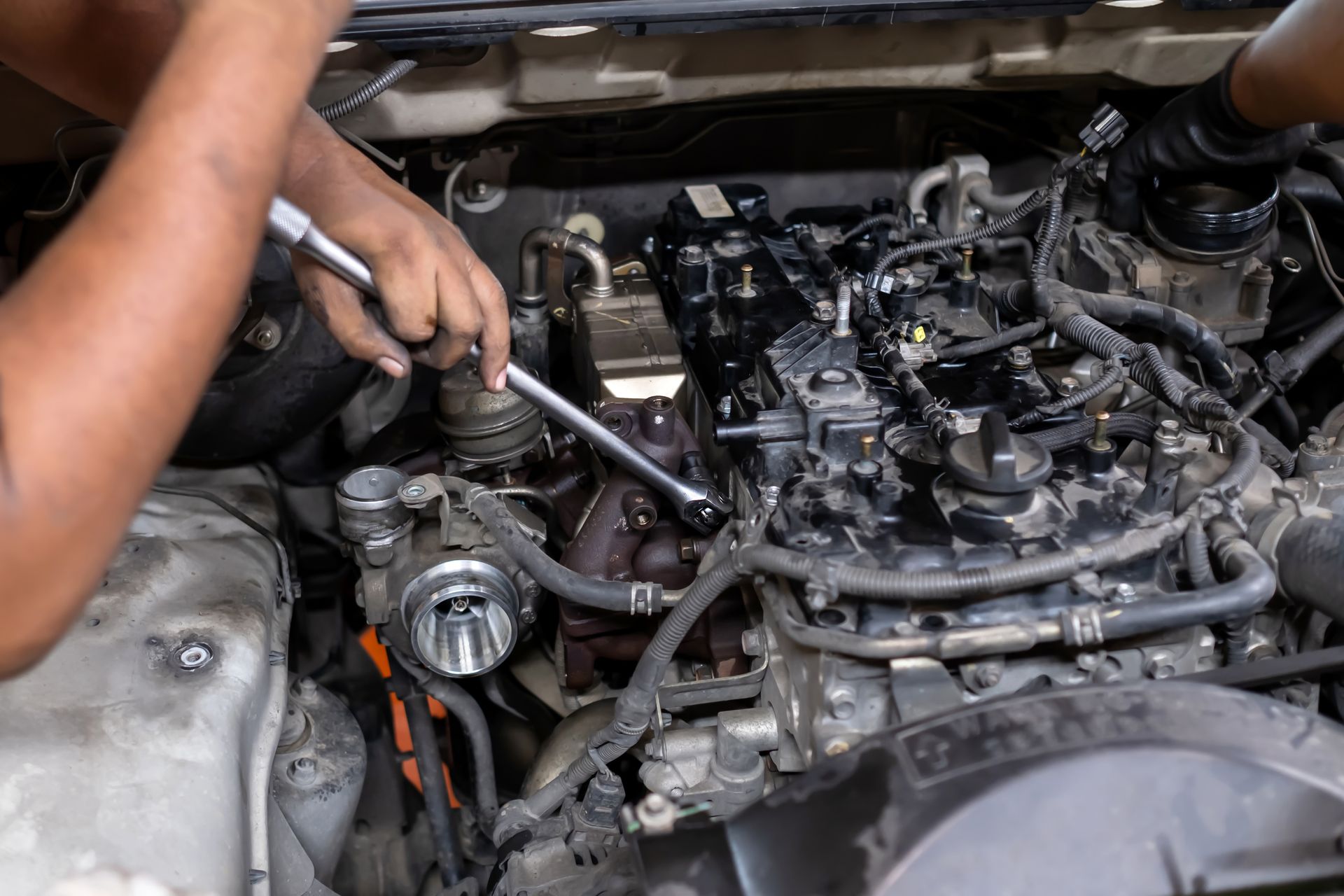
The Powerstroke is packed tightest under the hood, making maintenance access more involved and worth factoring into fleet service planning.
The 6.0L has a well-documented history with EGR cooler and oil cooler failures. In Arizona heat, a clogged oil cooler can lead to blown head gaskets fast. The 6.7L is a stronger platform overall but can develop fuel system issues related to the CP4 injection pump, and pump failure can send metal shavings through the entire fuel system. Diesel engine repair on a contaminated 6.7L fuel system is one of the most labor-intensive jobs a Powerstroke fleet will face.
EGR carbon buildup on the 6.7L causes poor performance, check engine lights, and rough running. For Tucson fleets mixing city driving with I-10 highway miles, carbon accumulates faster. Regular
diesel engine diagnostics can catch these problems before they become major repairs.
What Tucson Fleet Operators Should Watch in Any Brand
Regardless of platform, the Tucson environment creates consistent stressors. A few practices apply across all three brands:
- Shorten coolant inspection intervals during summer months, as Arizona heat degrades coolant protection faster than manufacturer schedules assume.
- Check air filtration more frequently due to Sonoran Desert dust and particulate.
- Monitor DEF and emissions system sensors, since heat exposure accelerates sensor degradation across all platforms.
- Prioritize fuel filter service, as high-pressure fuel systems on all three brands are sensitive to contamination.
A proactive
preventative truck maintenance schedule tailored to your engine platform and the Arizona climate is the most cost-effective strategy for keeping trucks on the road. Scheduling routine service and inspection appointments around your routes reduces unplanned downtime significantly.
Does Arizona Heat Affect One Brand More Than the Others?
All three platforms are affected, but the risk profile differs. The Duramax LLY and older Powerstroke 6.0L show the most heat-related cooling system failures in hot climates. The Cummins 6.7L is generally the most heat-tolerant, though its EGR cooler and fuel systems still require close attention when temperatures are sustained above 100°F.
How Do I Know If My Diesel Engine Needs Diagnostics?
Warning signs include black or white exhaust smoke, hard starts, a check engine light, reduced power, or unusual coolant loss. Any of these symptoms on a Cummins, Duramax, or Powerstroke truck are reasons to get a computerized scan before the issue worsens.
Is It Worth Repairing an Older Diesel Engine or Replacing It?
Repair is often the better value for a well-maintained older diesel. Cummins and Duramax platforms with high mileage can frequently be restored to reliable service through targeted repairs, provided the block and core components are sound. A qualified diesel technician can assess whether repair or replacement makes more financial sense for your fleet.
Can One Shop Service All Three Diesel Engine Brands?
Yes. A shop equipped with OEM-grade diagnostic software and cross-platform experience can service Cummins, Duramax, and Powerstroke engines. For fleets running mixed-brand trucks, a single provider simplifies scheduling and ensures consistent maintenance standards across every diesel engine repair visit.
Get Expert Help for Your Tucson Fleet
Cornwell's Truck Repair serves Tucson, AZ, fleet operators with diesel engine repair, diagnostics, and full-service maintenance for Cummins, Duramax, and Powerstroke trucks. Available 24/7 for I-10 freight routes or local Southern Arizona work. Call
(520) 790-7990 or visit the
contact page to schedule service. You can also find
Cornwell's Truck Repair on Google to read reviews and get directions.